










Building a Horse Veterinary Supply Kit: Be Ready for Any Situation
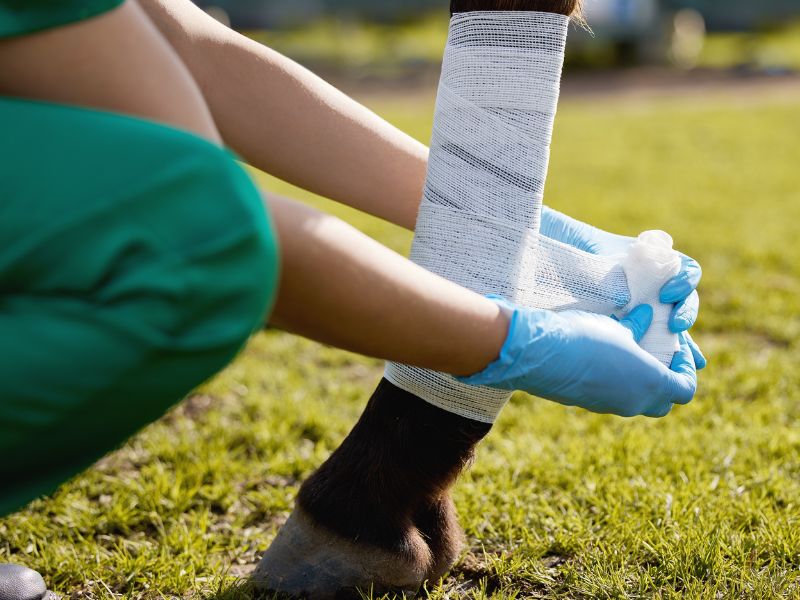

Every horse owner knows that accidents and health issues can happen when you least expect them. While your vet is the best source of care, having a well-stocked veterinary supply kit on hand can make a big difference in an emergency. A horse first aid kit allows you to handle minor issues quickly and support your horse until professional help arrives.
Why You Need a Horse Veterinary Supply Kit
Horses are curious, active animals—prone to cuts, scrapes, colic episodes, and hoof problems. Having supplies on hand:
- Saves precious time in emergencies.
- Keeps wounds clean until the vet arrives.
- Helps you manage minor injuries and daily care.
Essential Items to Include
1. Basic Wound Care
-
Antiseptic solution (e.g., iodine or chlorhexidine)
-
Saline solution for rinsing wounds
-
Cotton wool, gauze pads, and non-stick dressing
-
Adhesive bandages and vet wrap
-
Scissors and bandage cutters
2. Hoof Care
-
Hoof pick
-
Poultice pads (for abscesses)
- Hoof boots or bandaging materials
3. Temperature & Vital Signs
-
Digital thermometer
-
Stethoscope (for checking heart rate and gut sounds)
-
Watch or timer (to count pulse and respiration)
4. Medications & Treatments
(Always use under veterinary advice)
(Always use under veterinary advice)
-
Electrolytes for dehydration support
-
Electrolyte paste or syringes for hot weather or after heavy work
-
Anti-fly or insect repellent sprays
-
Zinc or barrier creams for skin protection
5. Everyday Essentials
- Clean towels
-
Buckets and sponges
-
Latex or nitrile gloves
-
Torch/headlamp for nighttime emergencies
-
Notebook & pen (to record temperature, pulse, or symptoms before calling your vet)
Storing Your Kit
Keep your kit in a sturdy, waterproof box or bag. Store it in an easy-to-reach place in the stable, and consider a smaller travel version for the float or trailer. Always check expiry dates and replace used items promptly.
Keep your kit in a sturdy, waterproof box or bag. Store it in an easy-to-reach place in the stable, and consider a smaller travel version for the float or trailer. Always check expiry dates and replace used items promptly.
When to Call the Vet
Even with the best supplies, some situations need immediate professional attention. Always contact your vet for:
- Colic symptoms
- Severe lameness
- Deep or heavily bleeding wounds
- Eye injuries
- Anything that feels “not quite right”
Final Thoughts
A well-prepared horse veterinary supply kit gives peace of mind and helps you respond quickly in emergencies. It’s not about replacing your vet—it’s about supporting your horse until expert care arrives.
A well-prepared horse veterinary supply kit gives peace of mind and helps you respond quickly in emergencies. It’s not about replacing your vet—it’s about supporting your horse until expert care arrives.
At Saddleworld Bundaberg, we can help you find the essentials to build your own kit and keep your horse safe and healthy.